Chip shortage, supply chain issues give used car prices rare boost
Original Article By Paige Ellis
Joe Tarin of Corsa Auto Repair and Sales surveys his downtown Toronto lot with a stoic smile.
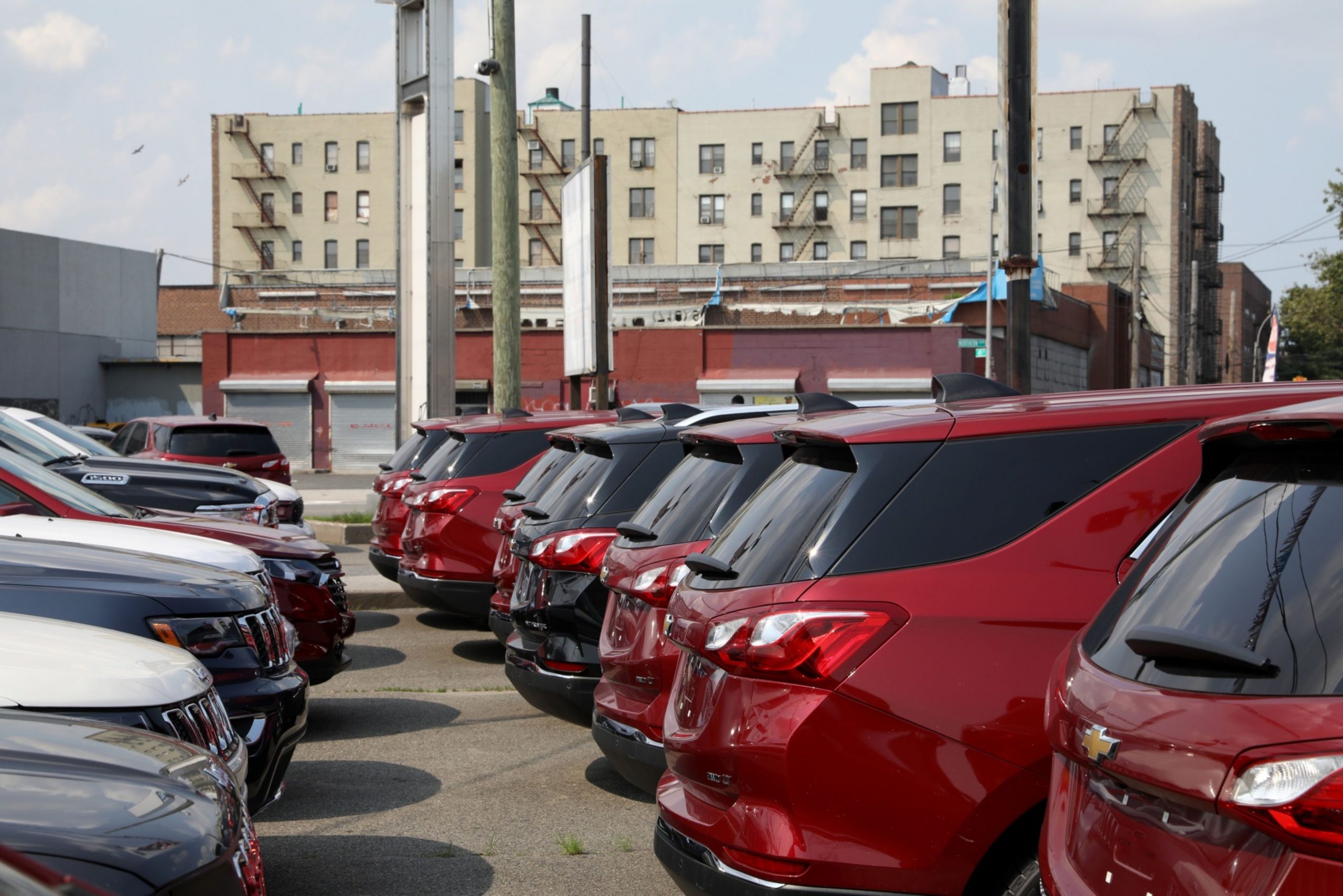
To pedestrians shuffling by, the used car dealership likely appears plenty full, with coupes and sedans parked bumper to bumper. But in fact, Tarin says his inventory is down as much as 35 per cent compared to pre-pandemic levels.
“After the pandemic, it’s extremely hard [to find used vehicles] and the prices have gone up extremely,” he noted. “So when we’re retailing it, the price is obviously going to be a bit higher.”
With inflation in Canada rising at the fastest pace in 18 years in October, virtually everything consumers buy has become more expensive. But amid a crippling microchip shortage and corresponding reduction in new car production, price hikes in the used vehicle market have been very severe.
According to AutoTrader.ca, the country’s largest online marketplace for pre-owned cars, the average list price of a used vehicle surged 27 per cent year-over-year in November to $31,875. Previously, the mean price of a used car had never surpassed $30,000. Inventory, meantime, dropped 17 per cent.
“One of the things that’s always been true about cars is that you buy a car and it’s worth less as soon as it leaves the lot,” said Flavio Volpe, president of the Automotive Parts Manufacturers Association. “This past year, the average value of used cars has gone up. It’s never happened before. It defies all economic modelling.”
Volpe said new car production was the “first domino” to fall during the pandemic. Without the semiconductors necessary to complete their vehicles, automakers were forced to slash output and park their unfinished inventory in sprawling lots. The issue then spread to auto parts suppliers, rental service companies and used car dealers, which rely on a steady flow of new cars and trucks.
“Dealership groups usually have about 60, 70 days of inventory on hand,” Volpe noted. “They’re down to a week or two weeks in some cases. It’s really unprecedented.”